Why the multigenerational workforce might not exist
Image

The workplace is obsessed with generations.
We all know the stereotypes. Baby Boomers are often described as hardworking but resistant to change. Gen X is sometimes described as skeptical and focused on work-life balance. Millennials are often labeled as idealistic and sensitive. Gen Z in the workplace is said to be overly dependent on technology.
But according to Leah Georges, PhD, associate professor and program director of the Interdisciplinary Leadership doctoral program, those labels are not only wrong, but they may also be leading organizations in the wrong direction.
As a researcher and educator, Georges has spent years studying leadership and workplace dynamics. Her conclusion may surprise some leaders: generations might not matter nearly as much as we think. They might not even exist at all.
The problem with generational labels
Image
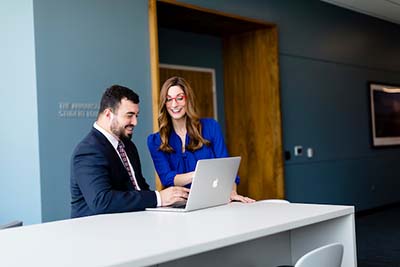
The idea of generations assumes that people born within a span of roughly 20 years hold the same belief and value systems, and that they all differ from generation to generation.
“For years, I’ve been talking to leaders and followers across a wide variety of organizations, and what I've come to realize is that we’re working under the assumption that generational stereotypes are true,” Georges says.
What she has found instead is that, regardless of age, background or career stage, most people want many of the same things:
- Meaningful work
- Flexibility and autonomy
- Support
- Recognition and appreciation
- Opportunities to learn and grow
While these needs may manifest differently from person to person, Georges argues that those differences often have more to do with a stage of life than one unifying generational trait. For example, a new graduate and a late-career professional may both value flexibility, but for entirely different reasons.
“Humans are 99.9% exactly the same ... the 0.1% that does create that distinction,” says Georges. “It’s where the magic happens. That's where we get to share space ... and ask, ‘What makes you tick?’”
How do you manage age diversity in the workplace?
When leaders think of their roles as managing age diversity in the workforce, they risk overlooking what makes each employee unique.
“I think what’s happened is that this focus on generational cohorts, these groups of people, has created a space where we just forgot the people are people,” says Georges.
Assumptions can weaken relationships and prevent employees from contributing to their full potential. Instead, Georges encourages leaders to approach people with curiosity.
Questions such as these can reveal far more than a generational label ever could:
What challenges are they facing?
What strengths do they bring?
What does success look like for them?
By asking thoughtful questions, adapting leadership styles and creating space for different perspectives, leaders can better support a multigenerational workforce and build stronger organizations.
The ability to motivate individuals within their organization is increasingly recognized as a critical leadership skill and is explored throughout Creighton's Leadership Certificate.
What workplace skills are on the rise?
Image
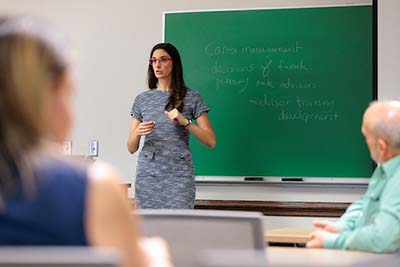
According to data from LinkedIn, “employers are increasingly prioritizing skills over degrees, job titles or linear career paths.” Cross-functional collaboration, team management, mentorship, and executive and stakeholder communication are taking priority.
The certificate helps professionals develop those capabilities through courses such as Change Management and Resilience, Perspective Taking, and Leadership Theory and Practice. Through the courses, participants will strengthen their ability to lead effectively in today's workplace.
Whether you're leading across generations now or preparing for future leadership opportunities, the certificate provides practical tools to help you better understand people, build stronger relationships and lead with confidence.