Creighton introduces new degree pathway for adult learners
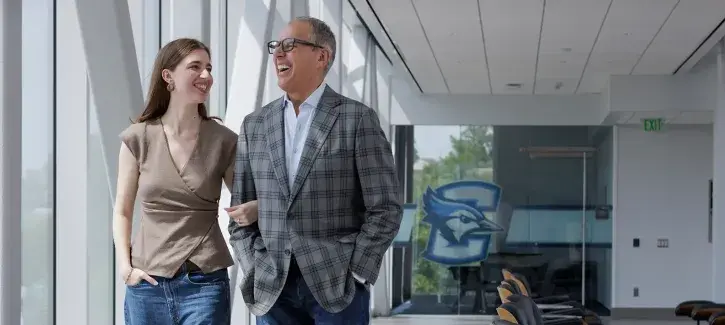
Nearly 50 years after first stepping onto Creighton University's campus, Al Lopez returned to finish what he started.
Lopez, BLS’26, first attended Creighton in 1976. Over the next several decades, he built a career in hospitality, opening more than 40 restaurants and three hotels and holding leadership roles with major hospitality brands. In 2024, at age 65, he re-enrolled at Creighton, earning his bachelor's degree in fall 2026.
His return to the classroom offers a glimpse of what's possible for adult learners through Creighton’s online Bachelor of Science in Leadership degree. Rooted in the University's Jesuit tradition of lifelong learning, the program is designed to help adults apply their previous education and experiences as they work toward completing a degree.
Building on Creighton's previous leadership studies program, the new degree-completion pathway features a reduced 90-credit-hour requirement, flexible online coursework and opportunities for eligible students to receive academic credit for prior learning.
A new pathway to degree completion
For adults who started college but never finished, returning to school can present significant challenges. Work schedules, family responsibilities and the cost of earning a degree can make completing a traditional undergraduate program difficult.
Creighton's Bachelor of Science in Leadership degree was developed with those challenges in mind.
According to the National Student Clearinghouse Research Center, approximately 43.1 million Americans had some college experience but no degree as of the 2023-2024 academic year. In Nebraska, an estimated 315,000 working-age adults have started college without earning a certificate or degree.
The new program offers an alternative to the traditional 128-credit-hour bachelor's degree through a 90-credit-hour pathway, potentially reducing the time and cost required for eligible students to graduate.
"The 90-credit hour degree program allows students who may have started college, but never finished, a chance to fulfill a lifelong goal at an institution that will work closely with them to ensure they have rich learning experiences and meaningful classroom interactions," says Gretchen Oltman, JD, PhD, associate dean of Creighton's College of Professional and Continuing Education and professor.
Courses are delivered online, allowing students to complete weekly readings, writing assignments and discussions around their schedules. Coursework is also designed with adult learners in mind, emphasizing practical applications that students can bring into their professional lives.
Turning experience into academic credit
One of the program's distinguishing features is the opportunity for students to earn credit for prior learning.
For adults who have spent years developing professional skills, returning to college can sometimes mean repeating material they already understand. Creighton's credit for prior learning pathway allows eligible students to demonstrate knowledge gained through work and other experiences that may satisfy specific course requirements.
The process involves working with a faculty member to develop a portfolio of work samples, essays and projects. Faculty then evaluate the materials to determine whether the student's demonstrated learning meets the outcomes of particular courses.
The process requires students to reflect on their experiences and demonstrate what they have learned.
"Recognizing prior learning respects the lived experiences of the adult student," Oltman says.
The approach reflects Creighton's Jesuit commitment to cura personalis, or care for the whole person. By recognizing the knowledge and skills students have developed throughout their lives, the program acknowledges that learning doesn't happen exclusively in a classroom. It also reflects Creighton's commitment to meeting students where they are and supporting their educational goals at different stages of life.
Through this evaluation process, eligible students may receive academic credit for knowledge they have already developed, allowing them to focus on areas where they can continue building their skills.
A new chapter at Creighton
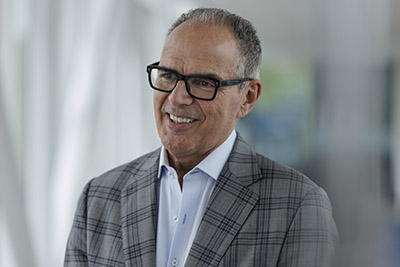
Lopez was the first student to pilot Creighton's Credit for Prior Learning Pathway.
After nearly five decades away from Creighton, he returned with more than 40 years of hospitality leadership experience. His career included work with Marriott Hotels, W Hotels and Union Square Hospitality Group, among other organizations.
Today, Lopez is a lecturing instructor at the Culinary Institute of America in Hyde Park, New York, where he shares his industry experience with future hospitality professionals.
His experience helped demonstrate how the credit for prior learning process could recognize knowledge developed over a long professional career.
"He returned to the classroom with an excitement for learning and was deeply invested in making his learning matter at this stage in his life, nearly 50 years after his first time at Creighton," Oltman says.
For Lopez, returning to Creighton was an opportunity to accomplish a goal he had carried with him for decades.
"I thought about it and realized it was foolish not to at least consider it, even at my age," Lopez says. "Next thing you know, I'm in this amazing online program, back in school at the place where I started."
His experience also helped Creighton faculty see how professional knowledge could be evaluated against academic requirements, creating opportunities for other adult learners to pursue a degree without repeating learning they have already demonstrated.
Making a college degree possible
For generations, Creighton has welcomed learners at different stages of life. The Bachelor of Science in Leadership degree continues that tradition by creating opportunities for adults to return to their education while balancing professional and personal responsibilities.
Through flexible online coursework, reduced credit requirements and opportunities for credit for prior learning, the program recognizes that students bring valuable knowledge and experiences with them when they return to the classroom.
For students like Lopez, earning a degree later in life is an opportunity to draw upon decades of experience while accomplishing a goal that may have once seemed out of reach.