4 types of pharmacists you may not know about
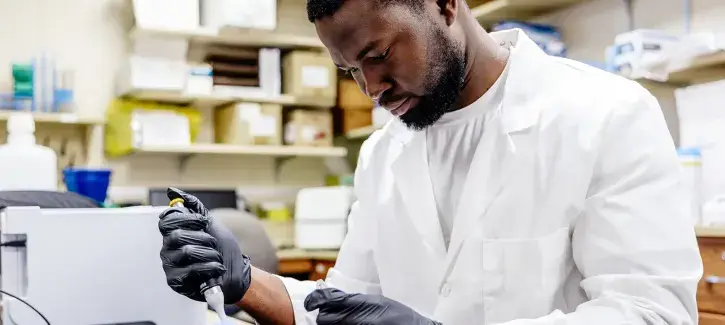
When you think of a pharmacist, you probably imagine someone dispensing medication from behind the counter at a hospital or your local pharmacy. While community and hospital pharmacists are among the most recognizable, there are many other pharmacy career paths that play important roles in patient care, research and healthcare.
With a Doctor of Pharmacy (PharmD) degree, pharmacists can pursue careers beyond traditional pharmacy settings, including specialized patient care, pharmaceutical development and education.
Nicole White, PharmD, associate professor in the pharmacy program at Creighton, shares insight into four types of pharmacists you may not know about.
What can you do with a PharmD? 4 pharmacy careers to consider
While some pharmacy careers require additional training or certification, there are many opportunities for pharmacists to specialize based on their interests and professional goals.
“Students are often surprised by how many career opportunities there are for pharmacists,” White says. “I think this has to do with lack of personal exposure to many of the roles pharmacists play behind the scenes of traditional patient care settings.”
1. Ambulatory care pharmacist
Ambulatory care pharmacists help patients manage complex medication regimens and chronic illnesses. They work in outpatient settings like clinics, physicians’ offices, surgical centers and urgent care facilities.
This specialty focuses on direct patient care, including medication management, consultation, follow-up and patient education. Common responsibilities of ambulatory care pharmacists include:
- Helping patients and caregivers manage chronic conditions such as diabetes, high blood pressure, asthma, arthritis and Crohn’s disease.
- Conducting comprehensive medication reviews and medication therapy management.
- Collaborating with healthcare teams, including doctors, nurses, nurse practitioners and therapists.
- Monitoring medication adherence, assessing patient outcomes and recommending adjustments to treatment plans.
“Ambulatory care pharmacists are highly valuable in clinical settings,” White says. She adds that the American Medical Association has recognized pharmacists as important contributors to patient care and developed a toolkit with resources to help practices embed pharmacists into their patient care teams.
Becoming an ambulatory care pharmacist often requires additional training and certification by the Board of Pharmacy Specialties.
2. Pharmaceutical industry pharmacist
Pharmacists work across every single stage of the drug development process and all sectors of the pharmaceutical industry. Some specific examples include:
- Research and development pharmacists: Work alongside scientists to identify, develop and test new medications. They may also contribute to clinical trials and evaluate the safety and effectiveness of new drugs.
- Quality control pharmacists: Help ensure medications meet safety, quality and regulatory standards. Their responsibilities may include testing raw materials and finished products and monitoring manufacturing processes.
- Regulatory affairs pharmacists: Help pharmaceutical companies navigate complex regulations and ensure their products and activities meet applicable requirements. They collaborate with scientists, regulatory authorities and other industry professionals. Medical affairs pharmacists: Serve as a connection between healthcare providers and drug developers, sharing specific and medical information about medications. They may also lead educational programs and participate in industry conferences.
- Pharmaceutical sales and marketing: Support the development of accurate, compliant promotional materials that communicate a medication’s features and benefits.
White notes that pharmacy students interested in the pharmaceutical industry often pursue fellowships after graduation. These programs typically last one or two years and provide hands-on experience in different areas of the industry, sometimes leading to full-time employment.
“It’s a full-time job, but you are learning and getting hands-on training, and the skills you develop make you more competitive for full-time employment in the pharmaceutical industry,” White explains.
3. Nuclear pharmacist
Nuclear pharmacists specialize in preparing and dispensing radioactive medications called radiopharmaceuticals. These medications are used in diagnostic imaging, such as PET scans, as well as certain treatments and medical research.
Some radiopharmaceuticals help healthcare providers diagnose and monitor diseases, while others deliver targeted radiation to treat conditions such as cancer.
Common nuclear pharmacist responsibilities include:
- Preparing, compounding and dispensing radioactive materials used in medicine.
- Conducting quality control tests to ensure medications meet safety and dosage requirements.
- Following strict safety and regulatory guidelines for handling hazardous chemicals and specimens.
- Supporting research and development of new radiopharmaceutical drugs.
Nuclear pharmacists work with physicians, nuclear medicine specialists and other healthcare professionals to support the safe and effective use of radiopharmaceuticals.
Becoming a nuclear pharmacist requires specialized education and practical training. Pharmacists may also pursue certification through the Board of Pharmacy Specialties.
4. Academic pharmacist
Academic pharmacists help educate and train the next generation of pharmacy professionals. Many are teacher-practitioners who divide their time between teaching, working in a pharmacy or clinical setting and conducting research.
“I never intended to become an academic pharmacist when starting pharmacy school, but through guidance from my faculty mentors and completing an academic rotation, I found my calling,” White shares. “I love getting to know my students, helping them find their pharmacy niche, and watching them grow professionally—even beyond graduation. Being an academic pharmacist also allows you to pursue your unique interests through teaching, research and practice in your area of expertise.”
While responsibilities vary depending on their interests and specialties, academic pharmacists may:
- Guide students through hands-on learning in laboratory settings, including drug preparation techniques, testing and safety protocols.
- Develop curriculum, plan lessons and deliver lectures.
- Supervise students during experiential learning rotations as preceptors.
- Conduct research, publish findings and present at professional conferences.
- In addition to teaching and research, academic pharmacists often serve as mentors and advisors, helping students explore career opportunities and develop professionally.
Find a fulfilling pharmacy career
With so many pharmacy career paths available, students don’t need to have their future specialty figured out when they begin pharmacy school. Hands-on learning and clinical experiences can help them discover which areas of pharmacy align with their interests and goals.
Experiential education is a key part of Creighton University’s pharmacy curriculum.
“From the very first semester students are shadowing and talking to pharmacists and getting exposure to different kinds of practice,” White says.
Students build on these experiences throughout the program, culminating in eight five-week advanced rotations during their fourth and final year.
Creighton’s Doctor of Pharmacy program offers three pathways: Omaha, Distance and Phoenix Hybrid.