


Population Health Events
2025 University Symposium on Population Health: Population Health at the Crossroads of Policy and Practice
Held Thursday, Nov. 6, 2025, at Creighton University Harper Center, Ahmanson Ballroom
Featuring keynote speaker Benjamin Hoffman, MD, CPST-I, FAAP
Immediate past president of the American Academy of Pediatrics
Keynote Address: What Today’s Health Professionals Need to Know About Community & Advocacy
What should population health look like in the future? How can we ensure that today’s population health efforts are not only adapting to challenges in policy and practice, but also still improving health equity, particularly for our youth? During this session, our keynote speaker will draw on his expertise and experiences at the intersection of health policy, authentic community engagement, and improving health and safety outcomes for children and families. To get it right for our youth, health professionals need to understand the importance of community partnership and advocacy. Together, we will discuss how population health can be the foundation for building a future that is safe and equitable for today’s youth and future generations.
Keynote Speaker:
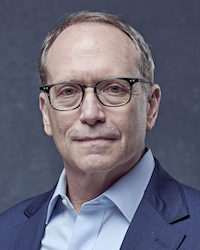
Benjamin Hoffman, MD, CPST-I, FAAP
Immediate Past President, American Academy of Pediatricians
Director, Injury Prevention Program, Oregon Health Sciences University Doernbecher Children's Hospital
Medical Director, Tom Sargent Safety Center, OHSU Doernbecher Children's Hospital
Professor of pediatrics, OHSU
Hoffman is a nationally recognized expert in child injury prevention and education. A graduate of the University of California Berkeley, he completed his medical degree at Harvard Medical School in 1992, followed by a residency at Seattle Children's Hospital. He began advocating for better child passenger safety policies and practices while working with the Navajo Nation Indian Health Service in New Mexico in the 1990s. He has led efforts to pass child health laws in both New Mexico and Oregon, which earned him a 2019 induction into the National Child Passenger Safety Hall of Fame. In a 2024 AAP News profile, he says: “The health and well-being of kids should be nonpolitical, and the things we're seeing about guns, LGBTQ rights, reproductive issues are political issues affecting them. Unfortunately, we're at a place in history where the hard conversations we need to have, have become seemingly impossible. We need to meet people where they are.”
Session 1: Navigating Access to Care in the Current Policy Environment
Barriers to accessing care are a persistent challenge in today’s healthcare environment. Join us to explore how recent policy shifts—from the national to the local level—are shaping access and quality of care in our communities. We'll examine the real-world implications of these policies and hear from local leaders about how they're adapting. Together, we can better understand these challenges and develop effective strategies to ensure access and high-quality care are available for everyone.
Facilitator
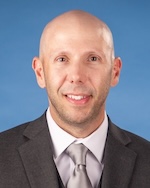
Christian Janousek, JD, PhD
Professor of Political Science and International Relations, Creighton University
Janousek teaches courses in public policy and administration, including courses for the Health Administration and Policy (HAP) major, and serves as faculty advisor for the International City/County Management Association (ICMA) Student Chapter at Creighton. He also holds a secondary appointment in the Department of Cultural and Social Studies. His research focuses on state and local government policy and management. He has examined various policy tools for interlocal and interorganizational collaboration. He has also investigated differences and disparities in healthcare policy implementation and governance across U.S. states. His comparative research explores influences on city administration, including international settings, public institutions and political culture. He has presented research at national and international conferences and has published articles in leading journals of the field. His current research addresses state Medicaid policy, Nebraska government and politics, and legal frameworks for professional public management. He earned his MPA and PhD in public administration from the University of Nebraska at Omaha, and his JD from Creighton University School of Law.
Panelists
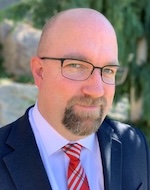
Kevin Bagley, DHA, MBA, FACHE
Kevin Bagley Strategic Consulting LLC
Principal consultant at Bagley Strategies LLC, Bagley is passionate about finding ways to improve the systems of care that support Medicaid participants across the country. With about 15 years of Medicaid experience across multiple states, Bagley served as the Medicaid Director for Nebraska under governors Pete Ricketts and Jim Pillen. He currently serves as Board President for Bluestem Health, one of Nebraska’s FQHCs, and is a fellow of the American College of Healthcare Executives. Before coming to Nebraska, he served as the director of LTSS for Utah’s Medicaid program. He is a past board member of the National Association of Medicaid Directors. Bagley earned his doctor of healthcare administration from Central Michigan University and his MBA from Utah State University.
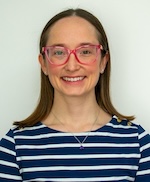
Sarah Maresh, JD
Health Care Access Program Director, Nebraska Appleseed
Nebraska Appleseed is a non-profit organization that uses legal, policy and community organizing strategies to fight for justice and opportunity for all Nebraskans. Maresh's work at Appleseed has included extensive legal and policy work on Medicaid expansion and advocacy for policies that strengthen Nebraska’s Medicaid program and improve healthcare access for all Nebraskans. Maresh frequently testifies before the Nebraska Legislature, has served as an adjunct professor, and has been a speaker at local and national events on various topics relating to law and policy. Maresh earned her undergraduate degree from the University of Nebraska-Lincoln with highest distinction. She earned her law degree from the University of Nebraska College of Law where she served as the reviewing editor for the Nebraska Law Review and graduated first in her class.
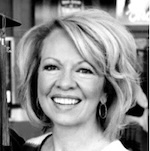
Ann Schumacher
President and CEO, AMS Health Solutions, LLC
Ann Schumacher is a transformative healthcare leader dedicated to building high-performing organizations that serve and strengthen communities. With over 30 years of progressive leadership experience at the local, regional and national levels, she brings strategic vision, operational excellence, and an unwavering commitment to improve the health of those served. As founder, president and CEO of AMS H.e.a.l.t.h. Solutions, she channels her experience, strategic mindset and passion into creating solutions that transform the health of individuals, organizations and communities. Throughout her career, Ann has contributed her expertise at every level of healthcare leadership—from local hospital boards to national policy commissions—demonstrating her commitment to collaborative, community-centered care. Most recently, Schumacher served as president of CHI Health Immanuel, Mercy and Lasting Hope hospitals, where she led transformational change through innovative clinical programs and large-scale advocacy initiatives. Schumacher holds a bachelor’s degree in nursing from the College of St. Benedict, a master’s degree in Nursing from the University of Nebraska Medical Center, and a MBA from the University of Nebraska. She is a fellow of the American College of Healthcare Executives, reflecting her sustained contributions to advancing healthcare leadership. Ann and her husband Mark have four adult daughters and four grandchildren.
Session 2: Food Insecurity: A Look at the Impact of Social Needs on Health
Despite our health care spending in the U.S., health systems are responsible for only 20% of health outcomes. The remaining 80% is largely influenced by social, economic, and physical environment factors. This session takes a closer look at one of these social factors: food insecurity and its impact on health outcomes, both physical and mental. We’ll discuss the role of health systems as they begin to screen for health-related social needs and the impact of emerging policies on food access and the overall health of our communities. Together, we’ll reflect on the impact of social needs on health and learn how we can effectively partner across sectors to improve food access.
Facilitator
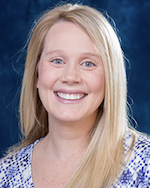
Nicole White, PharmD, CDCES, NBC-HWC, DipACLM, FACLM
Professor of Pharmacy Practice, Creighton University
White teaches courses in diabetes and non-prescription therapeutics and directs Creighton’s Lifestyle Medicine Clinic – a workplace chronic disease management program for employees of the University with diabetes or cardiovascular conditions. She is also co-principal investigator for Creighton’s Cura Project. This initiative is a grant-funded study evaluating the impact of a multi-modal social determinant of health intervention on the health and well-being of people with Type II Diabetes and financial instability or food insecurity. The Cura Project provides financial education and coaching, concierge financial social work services, and a food pharmacy that delivers diabetes-friendly groceries to the homes of each participant. White graduated with her PharmD from Creighton in 2010, is a certified diabetes care and education specialist, board certified health and wellness coach and a diplomate and fellow of the American College of Lifestyle Medicine.
Panelists
Jess Church, MS, RD
System Director of Community Health, Food Access, CommonSpirit Health
Church began directing food security and food systems strategy for CommonSpirit Health in 2021 and launched their Fresh to Flourish produce prescription study with a USDA grant. She has worked in New Mexico, Utah and Colorado across healthcare, state agencies and academic settings focused on public health, federal nutrition programs, research and clinical nutrition with over 15 years of experience. She has been a registered dietitian since 2012 and holds a bachelor’s degree in food science and nutrition from Central Washington University and a master’s degree in nutrition with a public health specialization from the University of New Mexico. Jess lives in Durango, Colorado, with her husband Clay and 4-year-old daughter Sego.
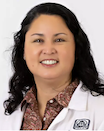
Donna Faber, MD
Family Medicine, OneWorld Community Health Center
Faber has practiced family medicine with obstetrics at OneWorld Community Health Centers since 2006. In 2016, she led the effort to have OneWorld join the Food Bank for the Heartland as a network partner. She earned her medical degree from the University of Miami School of Medicine and her bachelor's degree from Yale University. She completed a family medicine residency and maternal-child health fellowship with West Suburban Hospital in Chicago, Illinois. Faber played professional tennis from 1988-1993, and reached No. 55 in her highest world ranking. Faber's husband David Quimby, MD, is an infectious diseases specialist with CHI Health. They have two children, Alex and Katya.

Vanessa Wielenga, MS, RD
Development Director, No More Empty Pots
No More Empty Pots is a nonprofit organization that addresses food security, education, and economic opportunity with a systems approach to solutions. Our mission is to connect individuals and groups to improve self-sufficiency, regional food security and economic resilience of urban and rural communities through advocacy and action. Our neighbors across Omaha are fighting food insecurity, unemployment, financial hardship, or reduced academic opportunity. While hunger-relief organizations act as a necessary first line of defense against food insecurity, No More Empty Pots follows a unique approach by targeting the systemic causes of inequity. We believe food is a catalyst of change, an expression of art and culture, and a connector of the human spirit and condition.
Accreditation Statement
Creighton University Health Sciences Continuing Education is accredited by the Accreditation Council for Continuing Medical Education (ACCME), the Accreditation Council for Pharmacy Education (ACPE), and the American Nurses Credentialing Center (ANCC), to provide continuing education for the healthcare team.
Provided by:
- Creighton University Institute of Population Health
- Creighton University College of Professional and Continuing Education
Past Events
2025 Creighton-CHI Health Access in Rural Surgery Symposium: Building a Sustainable Future for Rural Surgery
Friday, May 30, 2025
Keynote Speaker Beth H. Sutton, MD, FACS
President of the American College of Surgeons
Symposium topics included:
- Advancing Rural Surgery: Education, Sustainability, and Innovation
- The Role of Policy and Advocacy in Addressing Workforce Shortages
Program Co-directors
Waddah B. Al-Refaie, MD, FACS
Dr. & Mrs. Arnold W. Lempka Endowed Chair and Professor in Surgery
Chair of the Department of Surgery
Creighton University School of Medicine
Chair of the Department of Surgery for CHI Health Clinic
Scott Shipman, MD, MPH
CyncHealth/ Nebraska Healthcare Collaborative Endowed Professor of Population Health
Executive Director, Institute for Population Health
Creighton University
Program Committee
Emily Brown, MD
Kyle E. Cassling, MD, MEd
Kathleen Guinn
Scott Reetz, MD, MPH
Jennifer Tseng, MD, MPH
Dillon Wade, MD
Jointly Provided By
- Creighton University School of Medicine
- Creighton University Institute for Population Health
- CHI Health
- Creighton University Office of Continuing Education
SESSION 1: KEYNOTE
The Role of the American College of Surgeons in Supporting Rural Surgery
Beth H. Sutton, MD, FACS President, American College of Surgeons
Introduction: Jennifer Tseng, MD, MPH
SESSION 2
The Role of Policy and Advocacy in Addressing Workforce Shortages
Fireside Chat with Representative Don Bacon: Rural Healthcare, Policy and Advocacy in Nebraska Moderators
Scott Reetz, MD, MPH
Bonnie Simpson Mason, MD, FAAOS
Panel: Federal vs. Local Advocacy
Moderators
Emily Brown, MD
Jennifer Tseng, MD, MPH
Panelists
Christian Shalgian, Senior Vice President, Division of Advocacy Health Policy, American College of Surgeons
Jed Hansen, PhD, APRN, FNP-C, Executive Director, Nebraska Rural Health Association
Framework Presentation
Jillian Timperley
SESSION 3
Advancing Rural Surgery Panel: Education, Sustainability, and Innovation
Moderators
Dillon Wade, MD
Neil Patel, MD
Panelists
Tyler G. Hughes, MD, FACS, Clinical Professor of Surgery Dean, University of Kansas School of Medicine Salina 1st VP Elect, American College of Surgeons
Benjamin Jarman, MD, Vice President of Medical Education Designated Institutional Official Gundersen Health System
Kyle E. Cassling, MD, MEd Assistant Professor, General Surgery Creighton University & CHI Health
Interested in learning about innovations that hold promise to improve care and advance healthcare equity? How can we be confident that innovations in health care won’t lead to new disparities in access, quality, or outcomes of care? How are learners best introduced to the clinician’s role in eliminating health disparities, inside and outside the health care system? In this session, we will discuss innovations in medical training and health care delivery that promote health equity and prepare the next generation to leverage innovation to improve access and care for all.
National speakers:
- Image
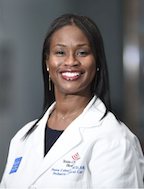
Nana Coleman, MD, EdM
System Senior Vice President of Academic and Faculty Affairs, Physician Enterprise, and Chief Academic Officer at CommonSpirit Health, one of the nation’s largest health systems; Associate Professor of Pediatrics at Baylor College of Medicine; Pediatric Intensivist at Texas Children’s Hospital.
Dr. Coleman is a seasoned physician executive and national leader across all domains of health systems science. Throughout her career she has served as a bridging leader between health systems, academic institutions, clinicians, educators and learners and has applied this expertise to lead transformation and achieve excellence across complex learning health systems. In her current position, Dr. Coleman is the accountable leader at CommonSpirit for the health system’s relationships with its national academic partners and has operationalized a national vision and strategy for academics. She oversees system initiatives across the realm of both academic affairs and faculty affairs, including the implementation of the data-driven systems and processes necessary to elevate academic research, clinical training and healthcare delivery across the enterprise..
- Image
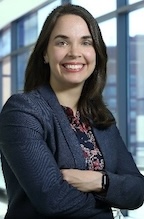
Helen Hughes, MD, MPH
Medical Director, Office of Telemedicine, Johns Hopkins Medicine; Medical Director, Pediatric Telemedicine, Johns Hopkins Children’s Center
Hughes is an assistant professor of pediatrics at the Johns Hopkins University School of Medicine and practices general pediatrics in East Baltimore. After earning an undergraduate degree at Haverford College, Hughes attended medical school at Johns Hopkins School of Medicine and received a Master of Public Health from the Johns Hopkins Bloomberg School of Public Health.
She completed a residency in pediatrics and served as chief resident at Johns Hopkins, where she stayed on to complete a health equity research fellowship in general academic pediatrics. In addition to her work in telemedicine, she is an Epic Physician Builder and co-chairs the Johns Hopkins Patient Family Centered Design (MyChart) committee.
Investing in the Health of Our Communities
In today's complex healthcare landscape, barriers to quality care abound for all—from privately insured patients to uninsured patients. This session will explore innovative strategies undertaken by AZ Blue and St. Vincent de Paul to address barriers to care, improve patient outcomes, and promote a more equitable healthcare system.
Speakers
- John Anwar, MD, Chief Medical Officer, St. Vincent de Paul / Virginia G. Piper Medical Clinic
- Carla Berg, MHS, Chief of Staff, Office of the Chief Medical Officer, Blue Cross Blue Shield of Arizona
- Shannon Clancy, Chief Executive Officer, St. Vincent de Paul
The Health System's Role in Reimagining Care to Improve Access & Health Equity
Health systems play a pivotal role in our communities. Through clinical redesign, training future providers, policy work, and community engagement, health systems have a mission to improve health equity. This session will delve into specific strategies underway in Arizona to reimagine care delivery to address disparities, improve outcomes, and ultimately advance population health.
Speakers
- Viren Bavishi, DO, President, Dignity Health Medical Group
- Kamal Sumar, MD, MBA, CPE, VP Population Health Arizona | Nevada, Dignity Health
- Michael White, MD, MBA, Chief Clinical Officer, ValleyWise Health
Fireside Chat: Creighton’s Commitment to Advancing Population Health
Creighton exemplifies many aspects of population health needed to move beyond barriers and improve the health of our communities in Phoenix. This session will highlight the ways that Creighton is advancing population health work in Phoenix to reduce health disparities and ultimately improve health equity.
Speakers
- Emily Babcock, DHSc, PA-C, Program Director, PA Program, Associate Professor
- Jason Beste, MD, MPH, Executive Director, Arrupe Global Scholars and Partnerships Program, Associate Professor
- Claudia Chambers, MD, MBA, FACOG, Associate Dean of Medical Education
- Helen Hurst, DNP, RNC-OB, APRN-CNM, Associate Dean of Nursing-Phoenix, Professor
- Jennifer Jessen, EdD, RN, CNOR, Executive Director, CIPER, Assistant Professor
- Danielle Okezie, MEd, Program Manager, LEAD Scholar Program
Immediately following the symposium, the IPH hosted an evening of dialogue with national and local surgical leaders who are transforming surgical care to reduce disparities and enhance access to high-quality surgical care for all. If surgeons are to be leaders in advancing health equity, they must take a multifaceted approach to improving surgical outcomes—one that focuses on improving access, addressing implicit bias and racism, and training the next generation to understand the impact of social determinants of health on outcomes.
National Speakers:
- Image
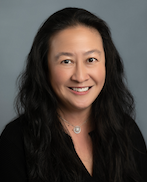
Jennifer Tseng, MD, MPH, is a surgical oncologist specializing in upper GI surgery. She is professor of surgery emerita and Immediate Past Utley Professor and chair of surgery at Boston University. She will deliver a keynote titled "Surgery is vital to building health equity everywhere (it’s not urban versus rural)." She founded the Surgical Outcomes Analysis & Research (SOAR) initiative in 2007 at UMass Chan Medical School, subsequently moving it to Beth Israel Deaconess Medical Center and to Boston University/Boston Medical Center, and remains principal of SOAR Enterprices LLC. Tseng is immediate past chair of the board and past president of the Society for Surgery of the Alimentary Tract (SSAT) and is a founder and past president of the Society of Asian Academic Surgeons (SAAS). She is a Director of the Complex General Surgical Oncology Board and serves as a deputy editor for JAMA Surgery. Tseng has been focused on longitudinal work in health equity and advocacy, service to medical and philanthropic organizations, and several writing projects.
- Image
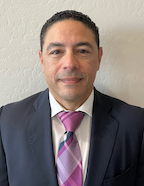
Irving Jorge, MD, MBA, FACS, is the chair of acute care surgery at Mayo Clinic Arizona. His research focuses on systemic policies that widens the disparity gap within our healthcare system and all aspects of emergency general surgery. Using his knowledge and experience, Jorge works to identify and put in place strategies that make access to quality care better for those who are underserved.
- Image
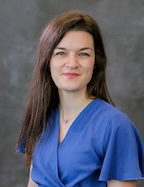
Tess Montminy, MD, is a general surgery resident at Creighton University School of Medicine in Phoenix, where she is leading the program's first free surgical clinic to improve surgery access for uninsured and underinsured patients. The program runs in association with the Dignity Health Hernia Institute and St. Vincent De Paul Phoenix. Montminy originally hails from outside of Toronto, Canada, and studied medicine at University College Dublin in Dublin, Ireland.
Daniela Cocco, MD, FACS, chief of breast surgery at Valleywise Health Medical Center and assistant professor at Creighton University School of Medicine.
- Image
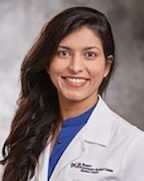
Priya Rajdev, MD, is a general/minimally Invasive surgeon specializing in benign foregut disease and abdominal wall reconstruction. Rajdev serves as the surgery clerkship director for the University of Arizona College of Medicine - Phoenix as well as the inclusive excellence champion for the Department of Surgery. In her role she has created a cultural humility curriculum for students, implemented ongoing faculty development around diversity, inclusion, equity, microaggressions, and unconscious bias, introduced social determinants of health into weekly M+M, and partnered with the Department of Family Medicine to address the impact of food deserts in our patient population.
